Learn how to select a hydraulic pump for an injection molding machine by matching pressure, flow, cycle demand, pump type, oil conditions and replacement dimensions.
Hydraulic Vane Pump for Injection Molding Machines: Benefits and Selection Tips
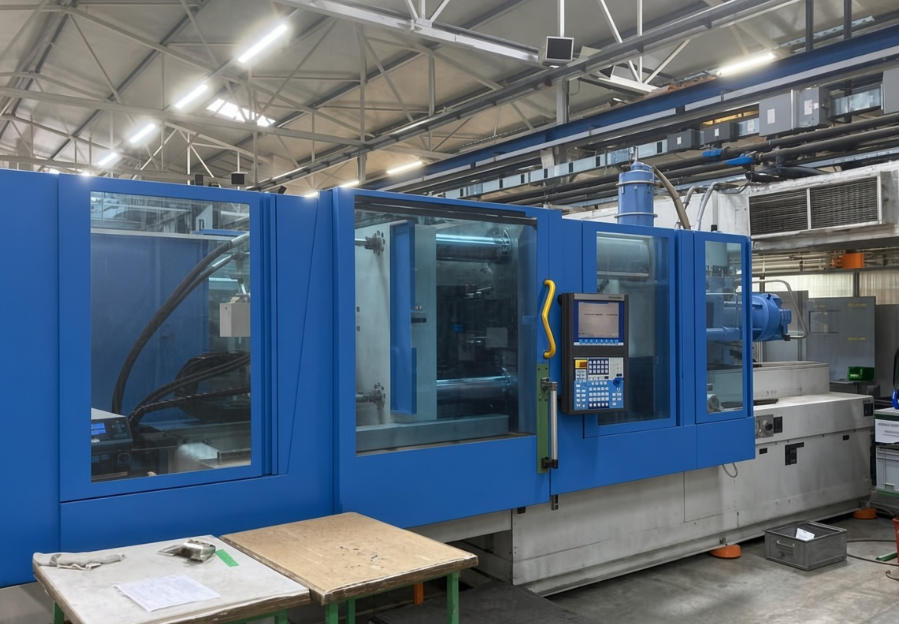
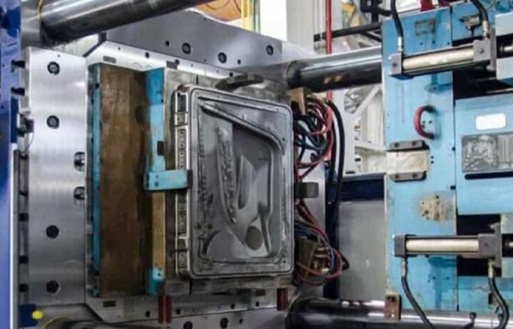
Injection molding machines repeat the same cycle thousands of times a day: clamp, inject, hold, cool and eject. Every stage depends on clean, stable hydraulic flow, which is why the hydraulic vane pump has been a long-standing choice in this industry. This article explains what a vane pump brings to injection molding, how to choose one, and what to do when you need a Vickers replacement or a Denison or Yuken equivalent.
Why Injection Molding Machines Use a Hydraulic Vane Pump
Low Noise and Smooth Flow
A vane pump delivers oil with very little pulsation. On a molding floor with dozens of machines running, lower pump noise improves working conditions and reduces vibration in pipes and valves.
Stable Pressure for Repeatable Quality
Consistent flow and pressure during injection and holding help keep shot weight and part dimensions steady. A pump with low internal leakage holds its set point better, even as the oil warms up during long production runs.
Energy Savings With Variable Displacement
Much of a molding cycle is spent holding pressure or cooling, when the circuit needs little flow. A variable displacement vane pump reduces its output during these phases, so it wastes less power as heat. This lowers oil temperature and electricity use compared with a fixed pump that runs at full flow all the time. For a broader comparison, see our guide on choosing between a vane pump and a gear pump.
How to Select a Vane Pump for Your Molding Machine
Match Pressure and Flow to the Cycle
Check the maximum system pressure, the flow needed for fast injection and clamp movement, and the drive motor speed. Choose displacement so the pump can meet peak demand without running at its limit. A double vane pump can serve two circuits, for example a high-flow circuit for fast movements and a lower-flow circuit for pressure holding.
Check Oil Cleanliness and Cooling
Vane pumps are sensitive to dirt and overheating. Keep the oil at the recommended viscosity, maintain good filtration and make sure the cooler is sized for the cycle. Most premature wear comes from contamination rather than from the pump design.
Confirm Mounting and Interface
Flange, shaft, rotation direction and port positions must match the machine. Confirm these details before ordering, especially for older machines.
Vickers Replacement, Denison and Yuken Options
Many injection molding machines in service today were built with Vickers, Denison or Yuken vane pumps. Original parts can be expensive or slow to ship, and every hour of downtime costs production.
- Vickers replacement: V series and VQ pumps are common on older machines.
- Denison: T6 and T7 series vane pumps appear in many industrial circuits.
- Yuken: PV2R and variable displacement vane pumps are widely used on molding machines.
Send us the nameplate or model number and we will help check whether a suitable equivalent is available. If only the internals are worn, a replacement pump cartridge can restore performance at a lower cost than a full pump.
Get the Right Pump for Your Machine
A well-matched hydraulic vane pump keeps your molding machine quiet, efficient and consistent. Browse our vane pump range, see more industrial machinery applications, or pair your pump with the right hydraulic valves. When you are ready, contact our team with your model number and requirements.
Related Posts