Learn how to select a hydraulic pump for an injection molding machine by matching pressure, flow, cycle demand, pump type, oil conditions and replacement dimensions.
Hydraulic Vane Pump in Construction & Industrial Machinery: Applications and Selection Guide
A hydraulic vane pump is one of the quietest and most efficient ways to turn engine or motor power into controlled oil flow. That is why it is so common in construction machinery auxiliary circuits, aerial work platforms, forklifts, presses and machine tools. This guide explains how a hydraulic vane pump works, where it performs best, and how to choose the right model, including when you need a Vickers replacement or an alternative to Denison and Yuken pumps.

How a Hydraulic Vane Pump Works
A vane pump has a rotor with radial slots, and a sliding vane sits in each slot. As the rotor turns, centrifugal force and system pressure push the vanes against a cam ring. The chamber between two vanes grows on the inlet side, drawing oil in, then shrinks on the outlet side, pushing oil out to the circuit.
Because the vanes keep close contact with the cam ring, internal leakage stays low and flow is smooth. The result is low pulsation, low noise and good volumetric efficiency, which are the main reasons engineers choose a vane design over a gear pump in many applications. If you are still comparing designs, read our article on how to choose a vane pump or a gear pump, or the basics in how hydraulic pumps work.
Where Vane Pumps Are Used in Engineering and Industrial Machinery
Heavy excavators usually rely on piston pumps for the main circuit. Vane pumps are the better fit where low noise, stable flow and fast response matter more than extreme pressure.
Construction and Mobile Equipment
Typical uses include steering and pilot circuits, aerial work platforms, truck-mounted equipment, cranes and compact machines. These duties need smooth flow and reliable cold starts. See our engineering machinery applications page for more examples.
Industrial and Stationary Machinery
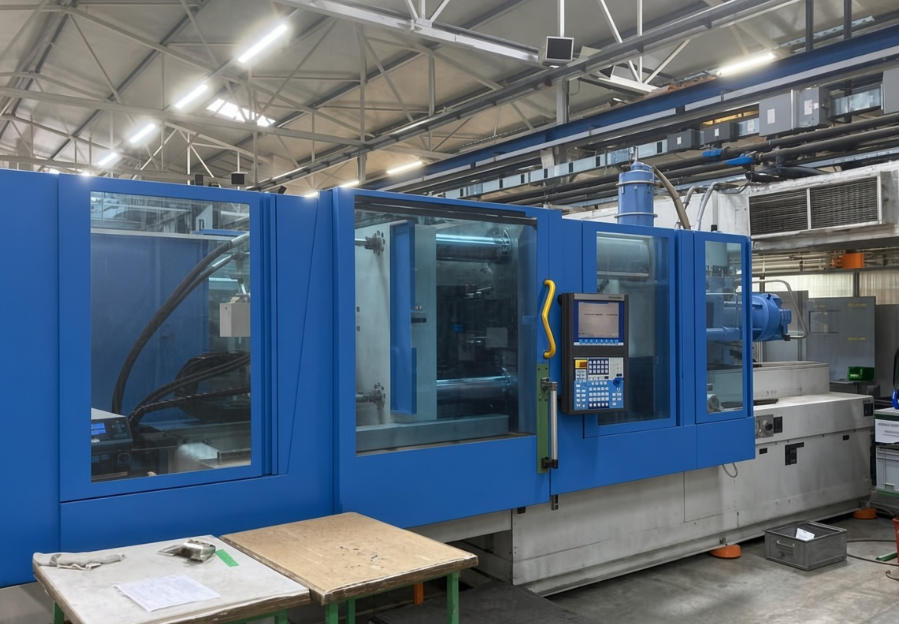
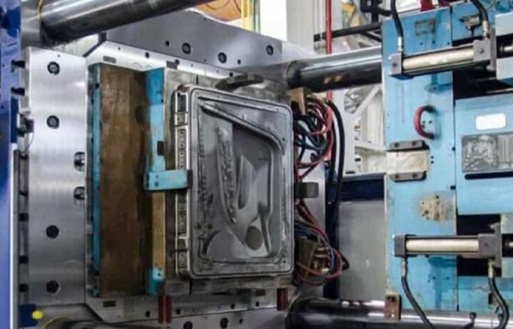
Injection molding machines, hydraulic presses, machine tools and metal forming lines favor vane pumps for their low noise and repeatable motion control. Variable displacement vane pumps also save energy by delivering only the flow the circuit needs. Browse industrial machinery and metal forming and presses for typical setups.
Key Factors When Selecting a Hydraulic Vane Pump
1. Pressure and Flow Requirements
Start with the maximum working pressure and the flow you need at your drive speed. Displacement (cc/rev) multiplied by speed gives theoretical flow. Always leave a margin so the pump does not run at its absolute limit, and check the minimum and maximum speed allowed by the manufacturer.
2. Fixed or Variable Displacement
A fixed displacement vane pump is simple and cost effective for steady duty. A variable displacement vane pump adjusts output to demand, reducing heat and power use in circuits with long idle or holding periods.
3. Single, Double or Triple Pump
Double and triple vane pumps share one drive shaft and supply two or three circuits at different flows. This saves space and simplifies installation on compact machines.
4. Fluid, Viscosity and Filtration
Vane pumps are more sensitive to contamination than gear pumps. Use clean mineral oil of the recommended viscosity and keep filtration at the level the pump maker specifies. Most early vane pump failures trace back to dirty oil or a restricted suction line.
5. Mounting and Shaft Interface
Confirm the flange, shaft, spline and port type. Even when the performance matches, a mismatch here can make a replacement impossible without adapters.
Vickers Replacement, Denison and Yuken Cross-Reference
Many plants still run legacy equipment fitted with Vickers, Denison or Yuken vane pumps, and original parts can be costly or slow to obtain. A well-matched aftermarket pump or cartridge kit can restore the original performance and shorten downtime.
- Vickers replacement: common series include V10, V20, VQ and 25M/35M/45M. Match displacement, rotation, port position and shaft type.
- Denison: the T6 and T7 families are widely used. Check the cartridge kit, shaft and port configuration before ordering.
- Yuken: PV2R and 50T/150T series are common in machine tools and presses. Confirm the cartridge code and mounting.
Always verify the nameplate data and use our team to confirm interchangeability before you order. If only the internals are worn, a replacement pump cartridge is often cheaper than a new pump.
Installation and Maintenance Tips
- Fill the pump housing with oil and prime it before first start, and avoid dry running.
- Keep the suction line short, large enough and free of air leaks.
- Align the shaft carefully to avoid side loads on the bearings.
- Change the oil and filters on schedule, and monitor temperature and noise as early warning signs.
- Pair the pump with the correct hydraulic valves and relief settings to protect the circuit.
Choose the Right Vane Pump With Confidence
The best hydraulic vane pump is the one that fits your pressure, flow, noise and space needs, and arrives when you need it. Explore our full vane pump range, or send us your current model number, nameplate photo or drawing through the contact page. Our engineers will help you find a suitable Vickers replacement, Denison or Yuken equivalent.
Related Posts