Learn how to select a hydraulic pump for an injection molding machine by matching pressure, flow, cycle demand, pump type, oil conditions and replacement dimensions.
Servo Vane Pump for Energy-Saving Hydraulic Systems: How It Works and When to Use It
A standard hydraulic power unit runs its motor at full speed all day, even when the machine is only holding pressure or waiting for the next cycle. The pump keeps pushing oil, and the extra flow leaves through the relief valve as heat. A servo vane pump system avoids most of that waste by letting the servo motor decide how fast the pump turns. Below we explain how it works, where it pays off, and what to check before you buy.
What a Servo Vane Pump System Is
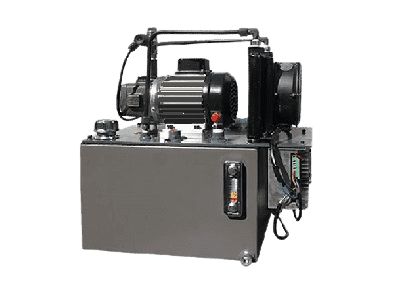
The setup is simple. A servo motor drives a fixed displacement hydraulic vane pump. A drive controller reads a pressure sensor and the machine's flow command, then raises or lowers the motor speed to match. Because the output flow of a fixed displacement pump follows its shaft speed, the oil delivered is close to the oil needed. When the machine only needs to hold pressure, the pump slows right down and the motor draws very little power.
Why Choose a Vane Pump for Servo Drive
Low Noise
Vane pumps are among the quietest pumps in common use. Add the lower pump speed during idle and hold phases, and the whole machine gets noticeably quieter. On a factory floor with many machines, that matters to the people working there.
Smooth Flow for Better Pressure Control
Flow from a vane pump has little pulsation. A servo controller adjusts speed many times per second, and a pump that responds cleanly gives it a steadier pressure signal to work with. You get smoother motion and less hunting around the set point.
A Practical Price Point
Axial piston pumps handle higher pressure, but they cost more. For machines working in the medium pressure range, a vane pump is often the more economical way to get a quiet, efficient drive. If you are still deciding between designs, our article on choosing a vane pump or a gear pump covers the basics.
Where the Energy Savings Come From
Holding and Idle Phases
Many machines spend a large share of each cycle holding pressure, cooling or waiting. A fixed-speed pump wastes energy in all of those moments. A servo-driven pump just slows down.
Lower Oil Temperature
Less oil going over the relief valve means less heat. The cooler runs less, and the oil stays in its working range longer, which helps seals and extends oil life.
Know Your Duty Cycle
Savings depend on how the machine actually works. Injection molding machines, hydraulic presses and other equipment with long hold or dwell periods tend to gain the most. A machine that runs near full flow most of the time will see little difference. Look at your own cycle before you invest.
What to Check Before You Choose
Minimum Speed
This is the point people miss most often. A vane pump depends on speed and pressure to keep its vanes against the cam ring. At very low rpm, internal leakage rises and lubrication gets worse. Many vane pumps list a minimum speed in the hundreds of rpm, so read the datasheet and set the controller's lower limit to match. Not every vane pump is suited to servo use, and some series are designed for it.
Maximum Speed and Suction
The pump will run faster than it did on a fixed-speed motor in some phases. Make sure the inlet line is large enough and the oil is not too cold or too thick, or the pump may cavitate.
Pressure, Displacement and Motor Torque
The servo motor must deliver enough torque at maximum system pressure. Pump displacement and working pressure together set that torque, so size the motor and the pump as a pair.
Oil and Filtration
Vane pumps are sensitive to dirt. Keep to the recommended viscosity and filtration level, and check both on a schedule.
Retrofitting an Older Machine
Many older machines still run fixed-speed vane pumps from brands such as Vickers, Denison and Yuken. Moving to a servo drive often means replacing the pump and motor together, and the mounting and shaft details need to match. If the existing pump is still sound and only the internals are worn, a replacement pump cartridge is a cheaper way to restore performance. Either way, send us the nameplate and we can help check what fits.
Talk to Us About Your Machine
A good servo vane pump setup needs the right pump, motor and valves working together. Browse our vane pump range, see typical industrial machinery applications and metal forming and press setups, or look at matching hydraulic valves. When you are ready, contact our team with your machine type, pressure, flow and motor details.
Related Posts