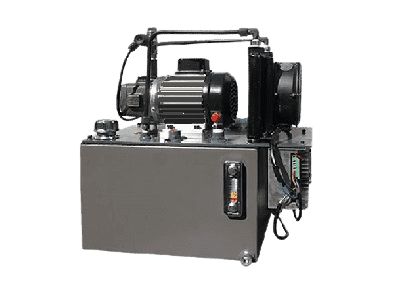
How a servo vane pump cuts energy use in hydraulic systems, where a hydraulic vane pump fits best, and what to check before you order one.
How to Select a Hydraulic Pump for an Injection Molding Machine
Selecting the right hydraulic pump for an injection molding machine affects cycle consistency, energy use, oil temperature and unplanned downtime. A pump that is too small may struggle to meet peak flow or pressure; an oversized or poorly matched unit can waste energy and generate excess heat. This guide explains the practical checks to make before choosing a new pump or sourcing a replacement for an existing machine.
1. Understand the Machine’s Hydraulic Cycle
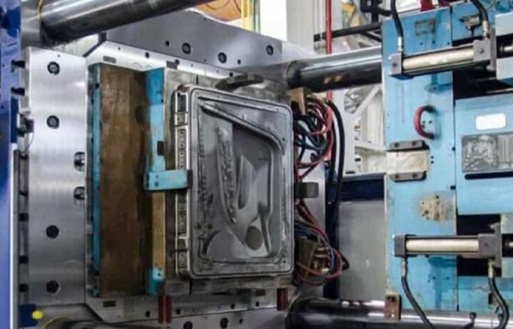
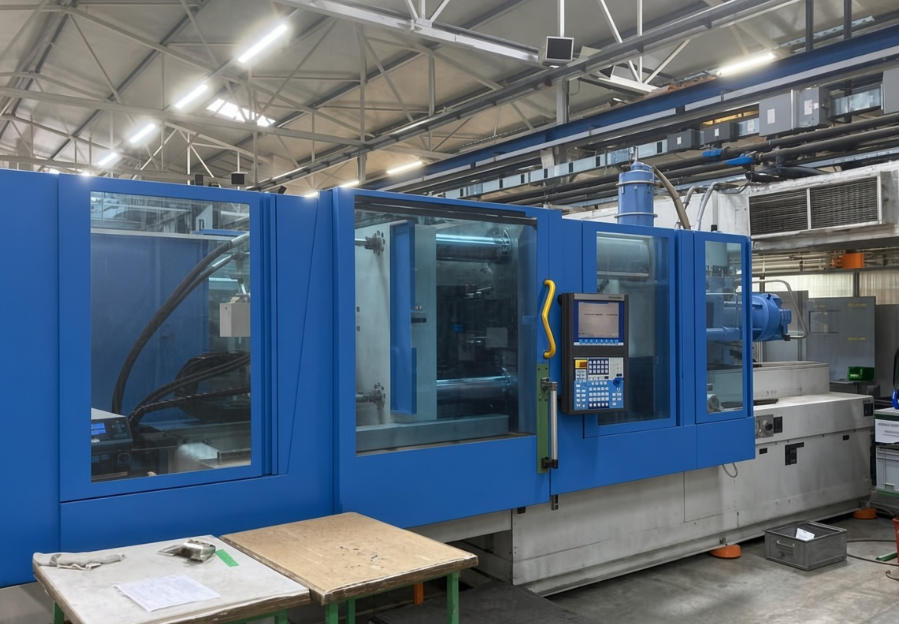
Injection molding machines perform several operations in sequence: clamping, injection, holding pressure, cooling and mold opening/ejection. These stages do not always require the same flow or pressure. Fast movements may need high flow, while holding phases can demand pressure with relatively little flow. Start with the machine manual and hydraulic circuit diagram rather than choosing a pump from tonnage alone.
Record peak and normal operating requirements
Confirm the maximum working pressure, required flow, motor speed, duty cycle and any simultaneous movements. Use the machine’s specified operating values—not only the pump’s maximum rating. If the circuit uses multiple pumps or separate circuits, identify which pump supplies each function before comparing models.
2. Match Pressure, Flow and Displacement
Pressure and flow describe different requirements. Pressure is the force-producing capability of the system; flow influences actuator speed. Pump displacement and drive speed determine theoretical flow, while internal leakage and operating conditions affect the flow actually delivered.
Check peak demand without running continuously at the limit
Choose a pump that can meet the machine’s required pressure and flow within the manufacturer’s rated operating range. Confirm the relationship between displacement, rotational speed and motor power. Do not select solely by a headline maximum-pressure figure: continuous ratings, intermittent ratings, inlet conditions and permitted speed can differ by model.
Consider double or multiple pumps where the circuit requires them
Some machines use double vane pumps or multiple pump sections to supply separate circuits or different flow demands. A combination can support fast machine movements and pressure-holding functions, but only when the hydraulic schematic and control strategy are designed for it. Verify shaft loading, rotation, port arrangement and the compatibility of each section.
3. Choose the Right Pump Type
Hydraulic vane pump
A hydraulic vane pump is often considered for industrial molding equipment because it can provide smooth flow and relatively low operating noise. Fixed-displacement vane pumps may suit circuits with steady demand; variable-displacement designs can reduce output when the system needs less flow. Actual efficiency, noise and service life depend on the exact model, installation, oil condition and operating point.
Gear pump or piston pump
A gear pump may be appropriate for simpler circuits where cost and straightforward maintenance are priorities. Piston pumps may be suitable for systems with demanding pressure, control or efficiency requirements, depending on the design. Compare the pump types against the actual machine circuit, not a general claim that one type is always better. For a broader overview, see our guide to choosing between a vane pump and a gear pump.
4. Check Energy Use and Heat Management
Injection molding cycles can include periods when the machine requires little flow. A fixed-displacement pump running at constant speed may continue delivering oil, with excess flow managed by the circuit and converted into heat. Where the machine design supports it, a variable-displacement pump or a suitable servo-driven system may reduce wasted output during low-demand phases.
Potential savings depend on the cycle profile, control strategy, pump and motor sizing, and how the machine is operated. Review oil temperature and cooling capacity alongside electricity consumption. Read our article on servo vane pumps for energy-saving hydraulic systems before deciding whether a retrofit is appropriate.
5. Verify Oil, Filtration and Installation Conditions
Protect the pump from contamination and overheating
Use hydraulic oil with the viscosity and specifications recommended by the pump manufacturer. Maintain filtration, monitor oil condition and keep the reservoir and cooler in good order. Contamination, aeration, poor inlet conditions and excessive temperature can shorten service life even when the selected pump is otherwise suitable.
Confirm mechanical and hydraulic interfaces
Before ordering, check the mounting flange, shaft type and dimensions, rotation direction, port positions, seals and overall envelope. Confirm that the pump can be installed without creating suction restrictions or changing the circuit in an unintended way. A similar-looking pump is not necessarily a drop-in replacement.
6. Sourcing a Vickers Replacement, Denison or Yuken Pump
When maintaining older molding equipment, buyers may be looking for a Vickers replacement or a suitable equivalent for a Denison or Yuken pump. Series names can help narrow the search, but they are not enough to confirm interchangeability. For example, Vickers V/VQ, Denison T6/T7 and Yuken PV2R families cover different configurations and ratings; the exact model code and machine requirements must be checked.
Share a clear photo of the nameplate and the full model number. Include the machine make and model, required pressure and flow, motor speed, rotation, shaft and flange details, port configuration, oil type and the application. If only the cartridge or internal rotating group is worn, ask whether a compatible replacement pump cartridge is available. Confirm dimensions, materials and ratings with the supplier before installation.
7. Use This Pre-Order Checklist
- Machine make, model and hydraulic circuit details
- Required working pressure, flow and drive speed
- Pump type, displacement and duty cycle
- Rotation direction, shaft, flange and port configuration
- Oil viscosity, filtration and operating temperature
- Full nameplate/model number and any existing failure symptoms
- Required delivery time and whether a full pump or cartridge is needed
Find a Suitable Pump for Your Injection Molding Machine
The best selection starts with verified operating data and a precise match to the machine’s hydraulic circuit. Browse our hydraulic vane pump range and industrial machinery applications for relevant options. If you need help checking a Vickers replacement or a Denison or Yuken equivalent, contact our team with the nameplate photo and application details. We can review the information and help identify a candidate for technical confirmation before you order.
Related Posts